Driver In A Quandry Over Diesel Particulate Filter
Wednesday, 27. January 2016
Friday, 11. December 2015
We seem to be having a week of environmental issues! MP’s have prepared a new clean air report for consideration by the Government. In it they recommend that a new scrappage scheme be introduced for diesels and vehicle excise duty (car tax) should be based on nitrogen oxides as well as CO2 and not just CO2 as it is at the moment.
Thinking of a change but unsure as to the best way to finance your car? Then you need a copy of my car finance book, Car Finance – A Simple Guide by Graham Hill. Click on the link below to buy the best car finance book on the market, available as a Kindle Book and Paper Back.
The report was presented to the Chancellor before his Autumn Statement by the Environmental Audit Committee in a hope that he would take note and encourage people out of ‘polluting diesels’. The chairman of the committee, Huw Irranca-Davies, urged the Chancellor to strike a better balance, he went on to say ‘A National scrappage scheme could provide a shortcut to cleaning up the air in our cities.’
Whilst the Chancellor only retained the 3% benefit in kind loading on diesels in the Autumn Statement that’s not to say that more won’t be done in next year’s budget. My own view is that whilst we should focus on the environment we should stop all this knee jerk reaction, the like of which we’ve seen following the VW debacle.
They did it with pay day lenders which has ended up taking out competition and increasing the use of illegal money lenders and by extending the rules into the whole of the consumer finance industry, to an unnecessary degree, they could end up pushing us back into recession.
Things may look good for the Chancellor at the moment but will it still look quite so rosy in a year’s time when ‘affordability tests’ become the focus of attention by the PPI lawyers? By Graham Hill
Friday, 11. December 2015
Following on from my previous blog post in which I was musing over the next steps to a cleaner environment. Maybe VW/Audi had the answer all along!
Thinking of a change but unsure as to the best way to finance your car? Then you need a copy of my car finance book, Car Finance – A Simple Guide by Graham Hill. Click on the link below to buy the best car finance book on the market, available as a Kindle Book and Paper Back.
Rather than fiddle the emission figures they have been working in the back room on a revival of the hydrogen fuel cell, something of which I’m a great supporter. According to their press releases the car will be more dynamic and more efficient than anything else in production.
The only thing they haven’t revealed is the bodystyle they will use to launch the new technology. Audi have produced hydrogen powered concept cars in the past as A2 and Q5 models and they have recently been showing off the A7 h-tron prototype which can power to 62mph in 7.9 seconds with a range of 300 miles.
Dr Rene Van Doom, powertrain engineer for fuel cell technology, confirmed that Audi has four major priorities for the immediate future, one of which is alternative drivetrains. He added that Audi were set to go into volume production with fuel cells as soon as the market and infrastructure justifies the move.
Their 10 year plan includes providing an electric alternative for every model in its range. With mild hybrid (whatever that is), plug in or hydrogen cell system. In 2016 a new 48 volt hybrid will be launched with an electric compressor to eliminate the annoying turbo lag and boosting efficiency by shutting down the engine when coasting.
If that wasn’t enough to put them ahead of the game again they are now working on electronic dampers that not only reduce body roll but they use the movement to regenerate kinetic energy to charge your mobile phone and air-con in the way that kinetic energy generated in hybrid cars recharges batteries. They claim that they can recuperate 150 watts meaning a CO2 saving of 3g/km. Amazing!
They also mentioned that they still understand the importance of internal combustion engines and will not neglect development of this technology. Good to hear! By Graham Hill

Friday, 11. December 2015
2 years ago I reported on some comments made by an environmental and technical expert who said that European targets for emissions were not only becoming difficult to meet but impossible to meet.
Thinking of a change but unsure as to the best way to finance your car? Then you need a copy of my car finance book, Car Finance – A Simple Guide by Graham Hill. Click on the link below to buy the best car finance book on the market, available as a Kindle Book and Paper Back.
He explained that an internal combustion engine burns fossil fuel which has the negative effect of emitting undesirable gasses and particles that pollute the air. That is a fact that can’t be changed. The objectives to continually reduce the gasses is fine and very environmentally friendly but technology and additives can only go so far before the targets are impossible to meet.
We all know that the harder we drive our cars the higher the amount of fuel we use. We may get from A to B quicker but we use much more fuel in doing so and it goes without saying the more fuel we use the more gas we emit from the exhaust. So as we reach the limit of gas reduction is the next step a control on the way we drive.
The only measure used at the moment is CO2 but will NOx enter the equation following the VW debacle? And by halving the NOx emissions target (Euro VI diesel engines) have we created an impossible task for the manufacturers? As we know fuel consumption figures are shown using different driving conditions, urban, extra urban and combined.
They may not exactly reflect actual driving conditions but we have three, often very different figures so why do we have just one CO2 emission figure as well as other singular gas emission figures when clearly they must differ from 10mph to 100mph? It was clear, even 2 years ago when I expressed my opinion on this subject that some creativity would have to enter the equation if targets were to be met.
However, I didn’t expect that creativity to extend to out and out deception. And whilst there wasn’t a murmur when the new Euro VI emissions came into effect on the first of September, following the VW debacle many manufacturers have announced that they are struggling to meet the Euro VI targets – strange that isn’t it? So what next? Will we see driving style and speed controls?
Limits on motorways dropped to 60mph and a drop from 30 to 20 around town? Or maybe cameras that can measure acceleration away from lights to stop drivers from pretending to be Lewis Hamilton? All very worrying for us petrol heads! By Graham Hill
Friday, 11. December 2015
Great news for motorists over Christmas as the oil price riggers, OPEC, fail to agree on output and therefore a price for a barrel of oil so it’s turned out to be a bit of a free for all with the cost of a barrel now dropping below $40.
Thinking of a change but unsure as to the best way to finance your car? Then you need a copy of my car finance book, Car Finance – A Simple Guide by Graham Hill. Click on the link below to buy the best car finance book on the market, available as a Kindle Book and Paper Back.
This should mean a drop of 5 pence per litre at the pumps for diesel and a drop to less than a £1 per litre for petrol. The average price for diesel is already at a 6 year low at an average of 109.18 pence per litre at the pumps. First to move is expected to be the supermarkets.
Experts suggest that we could be as close as a week away from the price drops whilst others will be reasonably quick to follow. So whilst the producers continue to refuse to cut production we will see a continued drop in prices as the world becomes awash with fuel. To put this into perspective in mid 2014 oil rose to $115 per barrel.
Compared to this time last year the RAC has calculated that we will save on an average fill up £9 on a tank of petrol and £11 on a tank of diesel. Not to be sniffed at. Keep an eye on prices as the Government has asked the sellers to pass on the savings but of course some will refuse so we should avoid using them.
Whilst some commentators have suggested that the rate drops won’t be long lived others have predicted a period of steady price drops till it flattens out around the time that OPEC are due to meet next in June 2016. With production outpacing demand it’s good news for motorists, so fill your boots! As well as your tanks! By Graham Hill
Thursday, 19. November 2015
We all know the dangers that we face as motorists following a heavy snowfall. People slow down and drive much more carefully as they tend to do when they see the temperature on their dashboard drop to about zero with the threat that there could be ice about.
Thinking of a change but unsure as to the best way to finance your car? Then you need a copy of my car finance book, Car Finance – A Simple Guide by Graham Hill. Click on the link below to buy the best car finance book on the market, available as a Kindle Book and Paper Back.
But a bit of heavy rain seems to make little or no difference to the way we drive. This had led to more serious accidents in heavy rain than in any other weather conditions. According to Government figures the number of serious accidents each year correlate with the months when we have seen the heaviest rainfall.
The report compared the month by month casualty totals for pedestrians, cyclists, motorcycle users and car occupants between 1997 and 2012 then matched these figures with average UK monthly rainfall and temperature figures for the same period. The results showed that the highest months for precipitation (rain sleet and snow) increased the likelihood of serious injuries.
The main months were April, June, July, August September and November. Strangely higher than average temperatures in December led to more serious injuries for motorists (wonder if this had anything to do with fog that seems to have been ignored – duh).
The findings suggested that heavy snow and ice are not such regular occurrences whereas rain is something we get used to throughout the year so we don’t really change our driving styles. At this point they then started to compare years when the months in question had ‘normal’ weather conditions with the months in other years when the weather was considerably wetter and they found that many more deaths occurred across the board with pedestrians, cyclists, motor cyclists and car drivers all being impacted.
So I guess the message here is that you should not take rain for granted and treat the weather conditions in the same way as you would treat snow and ice – with greater caution! By Graham Hill
Thursday, 19. November 2015
As VW continue to fight fire as things get worse following the latest revelations that 800,000 petrol cars have incorrectly stated CO2 emissions. In a statement from VW following a question about the effects on personal tax of those driving affected company cars, they have said that they will stand any additional CO2 based tax due from drivers and went further asking that the Governments involved charge VW direct rather than involve drivers.
Thinking of a change but unsure as to the best way to finance your car? Then you need a copy of my car finance book, Car Finance – A Simple Guide by Graham Hill. Click on the link below to buy the best car finance book on the market, available as a Kindle Book and Paper Back.
We are yet to see the responses from Governments across Europe – this is getting very messy. In addition VW have issued an action plan. The new chairman, Matthias Muller, said in the plan, ‘We have to look beyond the current situation and create the conditions for Volkswagen’s successful further development.’ There’s an optimist for you.
The first of the 5 point action plan – aimed at the re-alignment of the group, is to support customers affected by what VW is now referring to as ‘the diesel issue’. The company is working towards finding effective technical solutions to help its models to meet historical Euro4 and Euro5 emissions limits which it plans to roll out in January 2016 having liaised with the German Federal Motor Transport Authority.
Second on the action plan list is to carry out a thorough investigation in to how the software that was allegedly installed to falsify emission figures, during certain testing conditions, came into existence and why. Muller added, ‘We must uncover the truth and learn from it’. They have also recruited audit firm Deloitte to assist with the investigations and added that ‘those responsible for what has happened must face severe consequences’.
Third on the list is a total re-organisation of the group in an attempt to ensure that this can never happen again. Group management is to be decentralised to a greater extent in the future with individual brands and regions being given more independence. Muller said that the company would examine the portfolio of more than 300 models with a view to examine the contributions made by each model to earnings.
They will also look into ‘cross brand strategies’. The fourth ambition is one of openness. This will involve a realignment of the Group’s culture and management behaviour with a focus on retaining ‘the pursuit of perfection’ and employees’ commitment to the company. The company will change the way the business handles and communicates mistakes with an aim to create ‘a culture of openness and cooperation’.
Finally VW Group, which had a 2018 strategy, has replaced it with a 2025 strategy shifting emphasis from sales numbers to building ‘qualitative growth’. Muller revealed that they would be working on the new strategy over the next few months to be unveiled in mid 2016.
I have written several articles recently asking whether this ends with emissions. In the past manufacturers have been trusted to keep us safe in our cars and meet the many standards laid down by Governments. But is this the tip of the iceberg? Will other manufacturers be caught out fiddling emissions but worse have any of them been fiddling safety tests in order to sell more cars? By Graham Hill
Tuesday, 13. October 2015
OK time for a little bit of insider information. It would seem that the European regulators are taking a very close look at pollution and not because of the VW/Audi situation.
Thinking of a change but unsure as to the best way to finance your car? Then you need a copy of my car finance book, Car Finance – A Simple Guide by Graham Hill. Click on the link below to buy the best car finance book on the market, available as a Kindle Book and Paper Back.
In fact it has nothing to do with what comes out of the car but more about what gets sucked into the car. Concern is increasing as congestion reaches an all time high on British roads and with many cars and vans not fitted with stop start technology or have it but switch it off, if you are sitting in a queue of traffic there is a concentration of pollutants being sucked into the cabin.
Executive electric vehicle maker Tesla revealed the investigations when they launched their new Model X SUV with the weirdest back doors that open upwards in the old seagull style. They have a new system called Bioweapon Defence Mode (seriously) which features two air filters that Tesla boss Elon Musk says will give the car, ‘air cleanliness levels comparable to a hospital operating room’.
As Musk pointed out, they are ahead of the game. It doesn’t take a mastermind to work out that the emissions from the idling car in front has to go somewhere and it makes sense that most finds its way into the car behind.
Not surprisingly, having taken steps to stop children from being damaged by cigarette smoke it is logical that other in car pollutants will come under attack. You heard it here first. By Graham Hill
Tuesday, 13. October 2015
With so much in the press of late regarding emissions, thanks to the VW group of crooks, oops I mean vehicle manufacturers, there seems to be a new tidal wave of opinionated experts who say that we should either all walk, ride bikes or at worst drive electric cars.
Thinking of a change but unsure as to the best way to finance your car? Then you need a copy of my car finance book, Car Finance – A Simple Guide by Graham Hill. Click on the link below to buy the best car finance book on the market, available as a Kindle Book and Paper Back.
And we recently had a great deal on the BMW i3 that didn’t reflect its massive £30,000 + price ticket, it was remarkably cheap to lease. But before you join the queue of tree huggers outside your local BMW dealership you should be aware of some of the facts that you might like to consider.
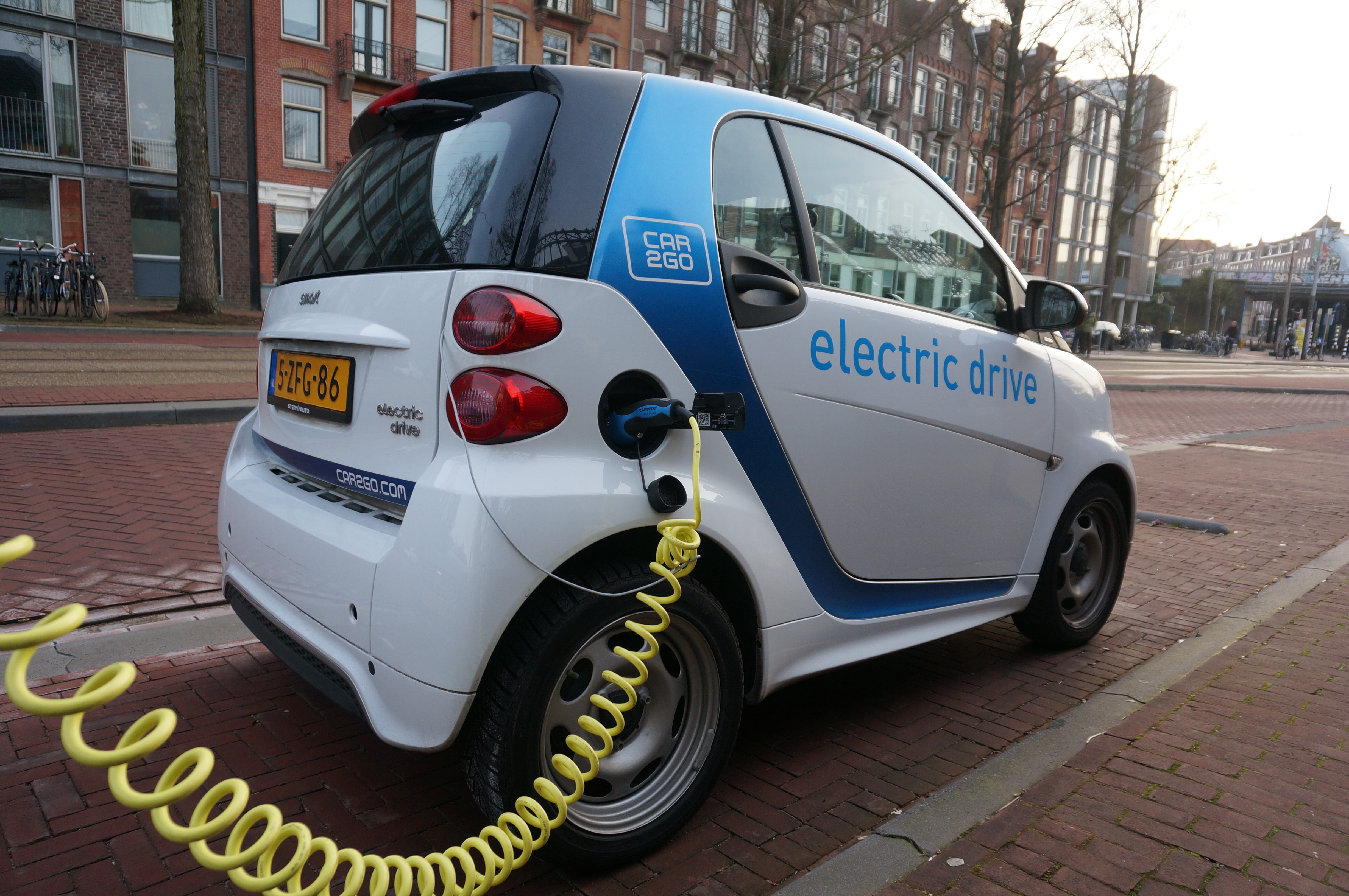
You can get yourself a subsidy to install a charger at home, which is fine unless you are restricted to on-street parking, the local authorities won’t allow you to run electric cables along pavements unfortunately. A home charger operating from a standard 13a supply, I’m told, can take up to 8 hours to re-charge the car.
An installed fast charger can re-charge in a couple of hours whilst the industrial sized roadside fast-chargers can recharge the car in 20 minutes. Still a tad longer than sticking a petrol or diesel nozzle into your tank. But let’s not be negative, London, like other cities are planning on installing hundreds of fast chargers throughout their centres but if someone leaves their car charging for a couple of hours how do you get their car out of the way to allow you to get your car onto the charger?
There are also three different connectors that fit either the BMW i3, the Nissan Leaf/Mitsubishi Outlander or the Renault Zoe/Teslar S etc. depending on whether the cars are all electric or hybrids. Brilliant, they couldn’t even get some form of standardisation there – where is the EU when you need it?
Easy payments, even cameras that identify your car registration as you pull up and ready the charger before you even get out of your car speed up that part of the operation but the real sticking points are the time it takes to charge and the range. Until such times as these problems are overcome I feel that electric cars will remain last choice for most of us. By Graham Hill